✨ Thank you to IP Australia for supporting the SPARK podcast and women in business ✨
Bec Wakeham spent 25 years in education before a lockdown favour turned into The Dyslexic Clinic, a specialist tutoring business for children with dyslexia that was fully booked within 10 weeks of opening. In this episode she explains what dyslexia actually is (and isn't), how she grew almost entirely through word of mouth and referrals, and the future-proofing habit that keeps her sane as a solo founder. If you've ever waited for everything to be perfect before starting, this one's for you.
What is dyslexia, and why do so many kids fall under the radar?
Bec busts the biggest myth first: it's not just mixing up your Bs and Ds, and it has nothing to do with intelligence. "It's a brain-based difference. There's a lot of misconceptions that it's just mixing up the letters B and D, and that's a part, but it's a very small part." Because kids develop coping strategies like memorising what words look like, plenty slip through unnoticed, and there are adults walking around today who have dyslexia and don't know it. The statistics suggest there's a child with dyslexia in every classroom. "It's not linked to intelligence. You can be extremely intelligent," Bec says, pointing to the long list of well-known entrepreneurs with dyslexia. It's lifelong and often hereditary, but with the right teaching, kids who hated books start willingly reading at night, and the first thing to improve is their confidence.
How do you start a tutoring business that books out in 10 weeks?
Bec never planned to be a business owner. During lockdown, a parent asked for help teaching their dyslexic child, and Bec had to admit her 25 years of teaching hadn't equipped her for it. Instead of shrugging, she went and got certified as a dyslexia specialist, and within six months she'd started the business. "Within 10 weeks of starting, I was fully booked with students." The demand was already there. She started exclusively online with a game-like, child-friendly platform (no Zoom fatigue here), which meant her reach stretched to regional and remote families across Australia. She has since opened an in-person clinic in NSW with room for group workshops, a kids' book club and parent information sessions.
Why word of mouth beat social media in the early days
Bec is refreshingly honest about not being a social media natural, and her growth came from somewhere else entirely. "Pretty much the growth from there has been through word of mouth, majority of the time with the parents that we work with." Her first students came from a fellow specialist tutor's waitlist, then parents told parents, teachers referred families, and a NSW referral database for certified, science-backed tutors did the rest. Some teachers have referred so many families they've jokingly asked for a cut. Proof that doing exceptional work is a marketing strategy.
The Friday afternoon rule for looking after future you
As the person doing everything from enquiries to enrolments to accounting, Bec protects herself with one simple question. "Would Monday morning me appreciate Friday afternoon me, who's finished all the emails and done all the reconciling? The answer is always yes." That little bit of extra effort now, plus a sneaky midday nap when the timetable allows, is how she avoids burning out. Avoiding a task today feels like less stress, but it's usually the thing that creates more of it later, because that spare two hours you're counting on is never really there.
Bec's one piece of advice for women in business
"There comes a time where it's a very fine line between being prepared, confident and ready to start, and procrastination. Work out where you sit along that line. If you're waiting for everything to be perfect before you start, it's not going to be. Even if you feel you've got everything ready, there will always be something you learn along the way, whether that's adding something, getting rid of something, or adapting as you go. Don't procrastinate. Get to a point where you feel you could definitely start, and then have that openness to be willing to learn as you go."
Meet Bec, Founder of The Dyslexic Clinic
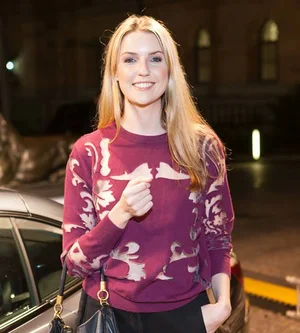
Bec Wakeham is the Founder and Director of The Dyslexic Clinic, a specialist literacy tutoring business helping children with dyslexia learn to read and spell, online across Australia and in person in Glenbrook, NSW. With over 25 years in education as a primary and early childhood teacher, Bec retrained as a certified dyslexia specialist during lockdown and built a booked-out practice within 10 weeks, growing a team of tutors and opening her own clinic along the way.
You can find her here:
Full transcript
Danielle: Amazing! Bec, welcome to Spark TV!
Bec: Thanks, Danny. Thanks for having me here.
Danielle: I am very excited to have you here and have a chat. Let's start out by telling everyone who you are and what you do.
Bec: Okay, so I'm Bec Wakeham, I'm the Director of The Dyslexic Clinic, a tutoring business based in New South Wales, but also online, so kind of all over the place. We work with children who have dyslexia, just helping them to read and spell and, you know, enjoy picking up a book and knowing that they can actually read it.
Danielle: Wow. So how did you get into this?
Bec: So I've had over 25 years in education. Before I started the business, I worked as a primary teacher, and before that, in early childhood education. I've always wanted to work with children, and I just love helping them, and helping them to learn, and teaching them. So that's kind of my background, but I never dreamed that I would be a business owner at any point. It just kind of happened during the second lockdown that we had here in Australia.
Danielle: Oh, yep.
Bec: All of the parents were teaching their own children at home, and I had a parent reach out to me and say, okay, I've got the stuff sent home from school, my child has dyslexia, I don't really know how to transfer this information into something that they would understand, but you're a teacher, so...
Danielle: You can help me. Surely you have all the answers.
Bec: Yeah, well, I mean, assuming that their child's at school and has dyslexia, it would be understood by most people. But I kind of had to admit that I wasn't that knowledgeable in terms of teaching a child with dyslexia. I'd done professional development at the school, and I just couldn't really help them, and I felt really bad. It was quite a stressful situation for them, and so I said, let me just find out some information, and I'll see what I can do to help. So at that time, I reached out to a dyslexia specialist tutor, and she was really generous with her time, and we spent probably over an hour just talking about dyslexia, and how, when you come out of your teaching degree and go into a school, you really don't have that knowledge of how to teach someone with dyslexia, how to change the content and make sure that they can learn well. It got me really motivated to want to know more, and she mentioned to me that it's an area where there's a huge demand, and there's not enough people working in that area. So she put me onto some training that would help me, and at the earliest opportunity, I went and got my certification, and within probably six months, I started the business. She did say to me, actually, when you do this training, and you know better, you want to do better, it'll probably be hard for you to go back to what you've been doing all along. And that was obviously true, because here I am, almost five years later.
Danielle: Wow.
Bec: So that's kind of how it all started, and it kind of picked up straight away. Within 10 weeks of starting, I was fully booked with students. That demand was there, and it's just been going really well since then.
Danielle: That's incredible. So, for people listening who don't know, what actually is dyslexia? What kind of challenges would a child with dyslexia actually have?
Bec: Yeah, so it's a brain-based difference. There's a lot of misconceptions that it's just mixing up the letters B and D and reversing those, and that's a part, but it's a very small part. So it's the difficulty with recognising letters and the sounds that they make, and having that link easily made that might be easier for someone else, in order to read. And then the reverse of that, that phonological component of sounds, and then how they're written and represented. Of course, reading and writing is something that we need to do on a daily basis, so it has an impact in every aspect of their life. And like I said before, we come out of university not being equipped. I mean, they're hoping to try and change that, but the statistics for dyslexia are so high that in every classroom there would be a child with dyslexia, who may be quite obvious, or they might kind of fall under the radar a little bit. So I think it is something that should change, so that teachers have more training, in order to help these children.
Danielle: Absolutely. So, is it something that, and you know, I'm going to ask some very ignorant questions here, all in the name of educating. Is it something that you grow out of? Is it something that you live with forever? Do you just learn strategies to get around it? How does it work as you age?
Bec: Yeah, so it's lifelong. You can't grow out of it. You can learn strategies, and this is what we're teaching, is how to read unknown words, how to break them up, and then obviously the reverse with spelling them. It's often hereditary as well. There's a large component where it's hereditary, so if there's a parent, a sibling, even extended family that have dyslexia, it can run in families as well. And again, it can fall under the radar, depending on each child, because they do develop coping strategies, and a lot of it would be memorisation, remembering the word the way that it looks, and that's their only strategy, rather than actually being able to decode, to break all the sounds up, or push the sounds together to read. So there's a lot of adults, I guess, that probably have dyslexia and don't really know, because it wasn't really discussed as much, or they've found ways to cope and manage in life and their workplace, and kind of get through.
Danielle: Wow. It sort of reminds me, during COVID, the conversation around ADD and ADHD became really prevalent, and it was one of those things where a lot of millennials or older generations kind of grew up with things not being talked about, and people developed strategies, or even just thought ill of themselves. It's like, oh, well, obviously I can't do what other people can do, and would put themselves down. It just makes me think of that, that there would be these kids, or maybe even adults now, who think that of themselves, wherein it's actually something where you can work with someone like yourself and find ways to develop strategies to read and write and live a happy life.
Bec: Yeah, because it's not linked to intelligence, and I think that's also maybe a misconception, that if you can't read and you can't spell, it's because you have a low IQ. But it's not. You can be extremely intelligent. Like, a lot of entrepreneurs have dyslexia. Well-known ones.
Danielle: A lot of them have ADD, too.
Bec: Yeah, that's right. Well, it's actually a very strong comorbidity, and this is where, again, it can be hard with diagnosis, because is a child, or even an adult, not able to pay attention to read the words, or read the book, or write the sentence, because their attention is affected, or is it because their brain's not making those links to be able to do the work? But yes, very famous people, like Jamie Oliver is one.
Danielle: I've heard about that, actually, yeah.
Bec: Yeah, I think a lot of actors as well. It does affect self-esteem and confidence, of course, especially when children start to realise what everyone else around them can do and what they're having trouble with, and that's usually the first thing that we see improve. Kind of a recognition that, oh, I actually am clever, and I can do this. It just needs to be taught to me in a way that I understand, and that makes sense for me. And, you know, to hear parents say they haven't picked up a book, they hate reading, and maybe six months later say, oh, they're willingly choosing to read books at night, it just makes them so happy, and me as well.
Danielle: Oh my god, it must feel good, having a business that does actually have such a beautiful impact on people.
Bec: Yeah, I mean, when I was teaching, obviously my goal was to do the same, and I always set out to do that. But I guess working one-on-one with the children has really shown that that means a lot to me, and making sure that they're reaching their goals, whatever that might be. So I think that's really important for me and for them.
Danielle: Oh, I love that so much. So how did you find the process of being a teacher, and then being a business owner? What was that leap like for you?
Bec: It was a bit like, go all in, or, you know, either just do it or don't do it. It was kind of one way or another. But I like to think things through, and I had this pros and cons list, and that's just me. Making sure that I'd covered all bases, and made sure that it was something that was going to be a sustainable business, and be close to my income with what I was earning in teaching as well. And also, because we weren't sure if the lockdown was going to happen again, it was a bit unsure, so I started exclusively online. And I know a lot of kids were over the whole Zoom learning from home thing, but I found a really child-friendly platform that's kind of more game-like.
Danielle: Oh, cool.
Bec: Yeah, so it's a lot of fun. Obviously, there's a lot of teaching still happening, but it's in a fun way, and just engaging these children in learning, particularly through a screen, it can be hard sometimes. But a lot of the children live remotely or regionally, so they don't have a lot of choice anyway. So that was a really good starting point in terms of getting it up and running, and making sure that my reach could be anywhere within Australia, or the world, really, depending on the time zone. So that was good to see that pick up quite quickly, and I've just recently opened an in-person clinic for local children as well.
Danielle: Oh, wow, that's awesome!
Bec: Yeah, I'm really excited with what can happen there. We've got enough space to have group workshops for kids, book clubs, and parent information sessions. So I've branched out a little bit in that way, also just to help more children, really.
Danielle: Wow, that's so awesome! And I love that you said that you found a different platform to connect online. I do find that so smart. We talk about that even in the women in business space, especially if you work from home, there is a lot of Zoom fatigue and laptop fatigue, so I can only imagine children went through the same thing. So I love the idea of finding tools to connect with them and deliver the content or engage with them a little bit easier. I think that finding ways that we can do things differently with the constraints we have is really smart.
Bec: Yeah, that's right. And, you know, to have the parents say, oh, they seem to be having a lot of fun, and they're enjoying it. Most of the time it's the game part of it that they like the most, but they still turn up there every week, and they're still willing to do hard things.
Danielle: Sometimes we just need to trick ourselves into learning and developing. That doesn't end in adulthood.
Bec: True.
Danielle: Oh, that is incredible. And so you mentioned a couple of times that you were booked out quite quickly, and the uptake was really quick. How did you actually spread the word about your business in the early days?
Bec: Oh, so the lady that I was speaking with before I started, she was a wonderful support, and gave me my first students, because she had a waitlist as well.
Danielle: Oh, cool.
Bec: And pretty much the growth from there has been through word of mouth, majority of the time with the parents that we work with. Schools, so school teachers will refer. I'm part of an organisation here in New South Wales where you can be part of a referral database, so that they know that they're only referring parents to tutors that have completed all of the certification and teach in a way that actually is effective and science-backed. So most of it is like that, and my website. I'm not great with social media, I'll be honest. I just got Facebook when I started the business, just because I had to. That's part of the reason why I joined the Spark membership, because I wanted a fresh set of ideas of how to market with social media, because, again, my background is not in business, and I'm just trying to do everything, I guess. I mean, at the beginning, I thought, you know, I want to tell a parent something, so I just write it down, and maybe add a nice picture, or a video, or something like that, and then I put it out there, and everyone sees it, and that's just how it happens. But I didn't realise it's so strategic, and there's lots to consider. So that's one thing that I'm not particularly good at, and I hope to improve, so, again, more parents can see what we can do, and the programs and products that we have.
Danielle: Yeah, I do love, though, that it did start from word of mouth and referrals, because I just think that that is such a strong marketing channel. When people think you are so amazing that they tell other people, like, no Instagram post will ever have that power, you know? But I do understand that, especially now that you've got the in-person clinic, and you can maybe scale things up a bit, and have group workshops, and that kind of thing, social media will actually become more powerful for you, because you'll be able to get that larger reach. But I think having that basis of word of mouth and referrals is so strong. I think sometimes people start the other way around, and they're like, I'll put out a post, and everyone will see it, and it's like, in the early days, you put out a post, no one sees it, no one cares.
Bec: Yes.
Danielle: I think starting with word of mouth is actually brilliant.
Bec: Yeah, no, it's all worked out really well with that. And we have some particular teachers around Australia who kind of are like, you know, do I kind of get a cut in this? Because they've made a lot of referrals. But I think that's a testament to them, actually, that they're identifying it, and knowing what they can do, and then what is beyond them, for a child to get some extra support.
Danielle: Wow. I love it so much. So how do you look after you as a business owner? Have you done what we all do and burned yourself into the ground, or are you killing it? How are you feeling as a woman in business?
Bec: Yeah, a few times, and had to pick myself up. Well, I guess because I'm kind of doing everything, it's all on me, from new inquiries to enrolments. I've got a wonderful team of tutors that work with me as well, and they work online, so mentoring them and making sure that they're providing exactly the same learning experience that I would. And then all the back-end stuff, you know, the marketing that I try takes longer than it should, and it's not as effective, but all the accounting, all of those things. Because it is just me doing it, I kind of can't let all the balls drop. I guess I was really ambitious at the beginning, like, this is going to work, and I'm going to do everything I can, and just think of the future. Whether it was educational resources I was making, or planning lesson ideas, or even just filing and organising things online, just making sure I was thinking of the future, and how that would help me. And that's been really helpful when I did take on the two ladies, because everything was there, all the training that they needed, all the resources already there. And I kind of think, would Monday morning me appreciate Friday afternoon me, who's finished all the emails, and done all the reconciling, and closed up all those loose ends? And the answer is always yes. I always do appreciate it so much. So I think that's more how I look after myself in business, just making sure that I do that little bit extra to think about how it will benefit me and create less stress in the future.
Danielle: I think that that is genius. As you were talking, I was kind of reflecting on my own journey, and even the way I operate now, and you're so right. The days where I do do that, I'm like, future Dani, she doesn't want to wake up at 5am and have to do that job. She would much prefer it if you did it now and just got it out of the way. I like that idea of always thinking about future you, or the future business, and what we can do today to set that up for less stress. I think sometimes we think avoiding the task today is less stressful, but it's actually the thing that creates more stress in the future. Sometimes just getting things done and being a little bit more organised and systematic is actually the thing that saves our bacon in the future.
Bec: Yeah, definitely. You know, you can always go, oh, I've got two hours before I have to do that, and that two hours is never two hours.
Danielle: It's never there, is it?
Bec: No, something comes up when you least expect it, and then it just creates that flow-on effect. So I tend to put that extra effort in, even when I might be ready to sign off for the week or the day. As well, with the hours that I work, I kind of have some breaks in the middle of the day, so a little sneaky midday nap is something that I enjoy.
Danielle: I love that! I find the biggest thing is energy management, you know? And I just think a midday nap is brilliant, because whatever you can do to find those pockets of time to recoup the energy so we can keep going, I think that's awesome. And it's one of those things, too, it's like, what works for you? I think we all have these ideas of, you know, we could be waking up at 5am and cold plunging and journaling and doing all the things. It's like, that sounds like hell. But you find the thing that works for you and incorporate that into your day, I think that's where the magic happens.
Bec: Yeah, it sounds good, except for the cold plunging.
Danielle: Yeah, no, I'm definitely not cold plunging. I'll have a nice magnesium bath, that's as far as I go. Oh, so good, I love it. So, what's 2026 planned for you? What's coming up this year?
Bec: Well, I'm hoping to hire some teachers to come and work with me at the clinic, and maybe some more online tutors as well. And like I said before, just trying to get some group workshops up and running for children. I wouldn't mind starting a bit of a book club up at the clinic as well. You know, a lot of children, I guess, again, maybe don't have a love of reading initially, but I always hope to encourage that, and show them that if you're shown how to read, and if you choose the right books as well, based on what's going to be easy for you to read, but still at your age interest level, that's something that you can still find enjoyment from. So, yeah, just having a supportive environment, a little book club there, for us to do that.
Danielle: I love that. So it sounds like it's going to be a year of growth. New team, bigger offerings. This is exciting!
Bec: Yeah, I am excited. It wasn't something that I thought would happen, obviously, when I first started. Last year, I was starting to think about that five-year plan again, and where do I want to be, and how else can I have a greater impact, not just for the business, but for the children that we work with, and their parents. And this office space came up, and it was perfect.
Danielle: Wow, I love that. And it's nice when you have that future-looking plan, when opportunities like that do arise, you can jump on them.
Bec: Yeah, definitely.
Danielle: How did it feel signing a lease?
Bec: A bit nerve-wracking, but good lease terms, so I can kind of dip my toe in for a bit, and then see how it goes, and kind of go from there. But I am having that view of, like, oh, this is going to work, it's going to be successful. We just need to provide as many teachers as we can for all of the inquiries, all the local children that want support.
Danielle: That's so good, and I just love your unwavering belief in yourself and your business. It just makes me so happy.
Bec: Oh, well, thank you, because I have to say, it wasn't always like that. I think because, you know, when you're a teacher, you get paid no matter what. Like, if you're a good teacher, you get paid, and I mean, I like to think I was a good teacher, and from all accounts and all feedback, I was. But that's, I guess, one thing that was a bit hard for me, because, you know, it was, oh, this parent is choosing me out of everyone. They're choosing me, and they're going to pay me directly. Obviously, I never had money exchanged with parents before as a teacher, and so it just felt like such a responsibility, and obviously my reputation's on the line. So that was one thing that I found hard, moving from being a teacher into tutoring. I didn't know then, but I guess it's probably, like, imposter syndrome, maybe? Where I felt, you know, is this going to work? Am I able to do all the things that I've told them that I can? And then not only that, not just for the parents, it's more for the kids. These kids are turning up, you know, like, what's she going to do that's different to everyone else? But they do, they turn up, and they have this hope. Obviously, there's hope there, because they're there wanting to listen and learn, and I just was like, I don't want to let them down. So there was that motivation to make sure that I just did my best, and knowing that everything that I did, I was putting my best in, and that I wasn't taking any shortcuts or anything. So that made it a little bit easier to deal with that initial phase.
Danielle: And obviously that has been the thing that's paid off as well, where people can obviously feel that you take this very seriously, and are so invested in the kids and want to have an impact, and that is what leads to such fantastic work, and then referrals and business growth.
Bec: Yeah, I'm really happy with all of the results that we get for children. And obviously, the more that you do it, the more testimonials you get, and even just the observations that you make, and you can then share that with other parents who are calling you up for the first time. Maybe their child's just had a diagnosis, and they're wanting to know that there is some support there. To hear lots of positive stories, and that someone understands what will help, is really important to them.
Danielle: Oh, I love that so much. I could talk to you all day, but I do love to wrap up these podcasts with one last piece of advice. So, reflecting on your time in business, what would be a piece of advice you would give to another woman on her business journey?
Bec: Well, like I said before, I do like to have everything lined up, and make sure that I'm prepared, and feel confident to start, I guess. But there kind of comes a time where it's a very fine line between being prepared, and confident, and ready to start, and organised, and procrastination. So I think my advice to someone would be, work out where you sit along that little line. If you know that you're kind of waiting for everything to be all perfect before you start, it's not going to be. Even if you feel that you've got everything ready, there will always be something that you will learn along the way, whether that be to add something, get rid of something, do something new, or change something. Or some new learning that you might have to just adapt to on the way. So I guess, just don't procrastinate. Get to a point where you feel that you could definitely start something, and then have that openness to be willing to learn as you go if you need to.
Danielle: Oh, I love it so much, Bec. You are absolutely incredible. Thank you so much for sharing your time and your wisdom and your journey with the Spark community.
Bec: Oh, thanks, Dani, thanks for having me.