What Cancer Taught Me About Protecting My Business
By SPARK CEO Hub Member, Becky Newton - Founder of The Thought
There are some key conversations that I remember so clearly it’s as though they happened yesterday. Despite being diagnosed in 2023, with chemotherapy and radiation treatment long behind me, the moments when I realised that I had not protected what I had worked so hard to build in business still sit with me.
One of those moments was shortly after my diagnosis when I called my insurance broker to find out whether I was covered. Did I have income protection or trauma insurance (sometimes called critical illness cover)? “I’m so sorry, you do have life insurance, but unfortunately when you started your policy you decided it wasn’t worth the extra premium to have those options, especially because you were so young.” I thanked him, hung up the phone, and cried.
Hindsight is a wonderful thing. At the time it had seemed like a good decision. My ex-husband and I were only in our 20s, running a business with two young kids. We needed the extra money week to week. But I had never revisited that decision.
Now, at 38, I found myself running in a single income household and the owner of a new business, and I had no financial cover, no income protection. My financial situation had changed so significantly, but the insurance I had was still based on my circumstances while I was married and in my 20s.
Life can change in an instant.
I went into surgery and started treatment three days after being diagnosed with breast cancer. There was no time to prepare. Life can change in an instant. Borrowing money from family became a lifeline, but with two mortgages and teenage kids, I needed to go back to work during cancer treatment to keep a roof over our heads. I wasn’t ready, and I wasn’t healed, but the life I had built revolved around a high income which I had generated by working up to six or seven days a week. And suddenly, I wasn’t working. I had no choice, I had to start earning again, ready or not.
The next pivotal conversation was with the co-directors of the business we were running together at the time. I sat in the car as I waited for a radiation oncology appointment and merged them both into a call. I talked to them about needing to access my accrued leave to help make ends meet, and to have a much needed break from work. I had been working mornings and attending radiation in the afternoons for weeks. I was exhausted. I remember so clearly the leave being declined, and the words ‘directors need to sacrifice’ coming through the phone. After the call ended, I cried again.
I had worked for seven years in that business. I had sacrificed time with my kids, rest and self-care, and ultimately my health. It felt like I had nothing to show for it.
The issue of a business built purely on trust and goodwill.
When I eventually hit burnout after cancer treatment and couldn’t continue to work in the business, the realisations came thick and fast. We didn’t have a directors’ / shareholder’s agreement, and there was no pre-determined plan for a director exit. We had built our entire business on ‘trust’ and goodwill. I had worked full time for seven years, but I quickly learned that goodwill and sacrifice didn’t equate to monetary value during the exit negotiations.
These were incredibly hard lessons to learn, which is why I want to raise this awareness for other female founders. I used to work for a Government Department, and in that salaried position I would have had access to paid leave and other benefits and support. As a business owner, I had focused on building, hustling and growth. But I hadn’t taken a moment to ensure that all of that was protected.
I ended up selling my home, and my investment property, and needing to start over again. It took me some time to pay off the loans from family that had got me through treatment. I’m still paying off debt that I accrued because of my cancer journey.
I’ve heard the phrase, the only thing certain in life is uncertainty. But for some reason I had never considered something like this happening to me.
Why we forget to protect ourselves.
As women we’re inclined to always put the needs of others first. We sacrifice ourselves and often prioritise our kids, our families, our work, our friendships, and yet we frequently forget to take care of ourselves
You might think that you don’t need the formal documentation because you’re in business with friends, people you care about. But that’s exactly why you need it. If things go wrong, or someone has an unexpected life change and needs to step back or move on, you can end up losing the friendship as well as the business, often right when you’re least equipped to navigate it. Putting an agreement in place isn’t a sign of distrust. It’s how you protect the relationships and friendships you care about if something unexpected happens.
Please get the advice.
Ironically, I can’t take my own advice right now as unfortunately I can’t access income protection until I’ve had a period of medical clearance. So, I’m protecting myself in other ways and slowly building a nest egg. But please, speak to the professionals. Think about how you would get through, keep your business running and sustain your lifestyle if something unexpected happened. We can work so hard and sacrifice everything, and things still happen, that’s one thing none of us can control. I genuinely hope no one reading this ever goes through an experience like mine. But I also really hope you take something from my story and make the time to sit down with experts who can give you sound financial and legal advice, and help make sure what you’re building is well protected and you have plans and contingencies for adverse circumstances.
Give yourself permission to step away.
Beyond protecting your wealth and what you’ve built, it’s so important to allow yourself time away from work when you need it. Looking back, I would have stepped away more regularly. With the perspective I have now, I wish I had prioritised my wellbeing and time with loved ones over work more often. I also wish I’d had the chance to truly step away and focus on healing when I needed it most. We all juggle competing priorities, but when there’s an issue with your health, that is the only thing that matters. Health is everything. I am so, so grateful to still be here, and that my aggressive breast cancer was caught early enough to be treated. It has completely shifted my perspective. I move through life differently now. I take the time to focus on what’s really important, and from that experience, I created The Thought.
Turning my experience into something for others.
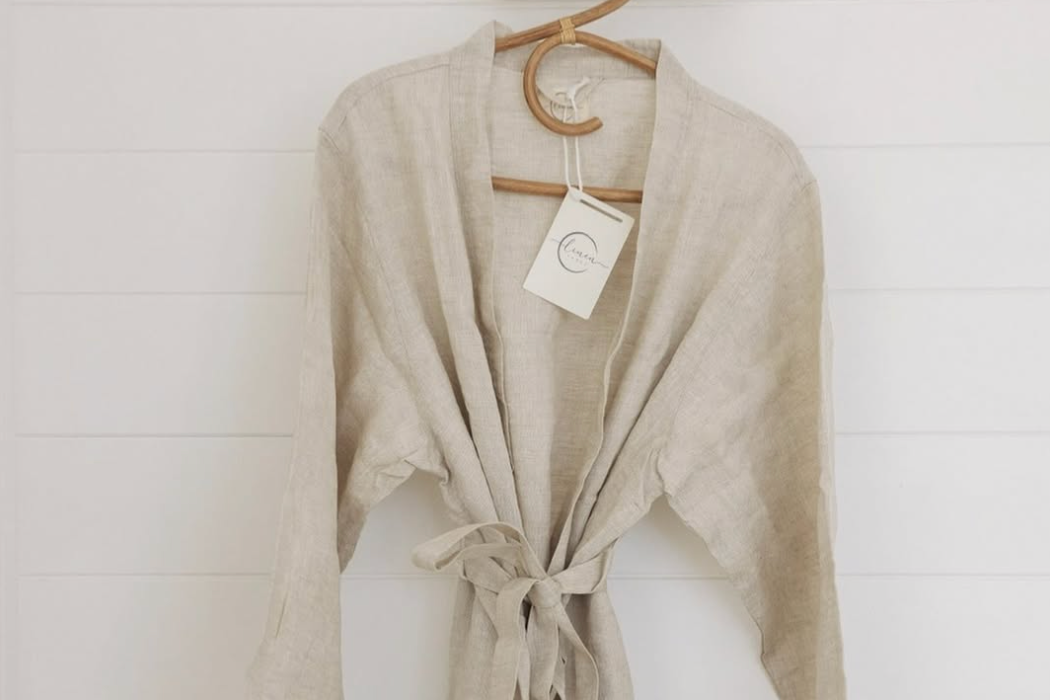
While I was going through treatment, I saw how often people wanted to help but didn’t quite know how. And so, I created The Thought. A meaningful way to share the love and show your support during life transitions, celebrations, and difficult seasons. The Thought is a gifted home wellbeing experience, allowing people to give loved ones a clean, calm and restorative house, with luxury inclusions, that creates an opportunity for an escape at home. Support like this is simple, but it can be incredibly impactful.
“No one should have to hustle while they’re healing”
I felt compelled to write this article, because ultimately, as female founders, no one should have to hustle while they’re healing. I really hope this has given you some food for thought, and some insight into the actions you can take and the advice you can seek, so that you never have to. It’s also why I’m so grateful to have found the amazing SPARK CEO Hub, which is fast becoming the operating system that is guiding how I run my new business. The concept of an ‘endgame’ is exactly what we need to be thinking about. What is it that we want for our business? Is it something that can sustain itself, so we could step away if we needed or wanted to? This is such an incredible resource, and I’m looking forward to continuing to explore it and making sure that what I’m building now is protected, sustainable and works for me. I know now that it’s not selfish to want something sustainable.